The Footprints We Leave Behind
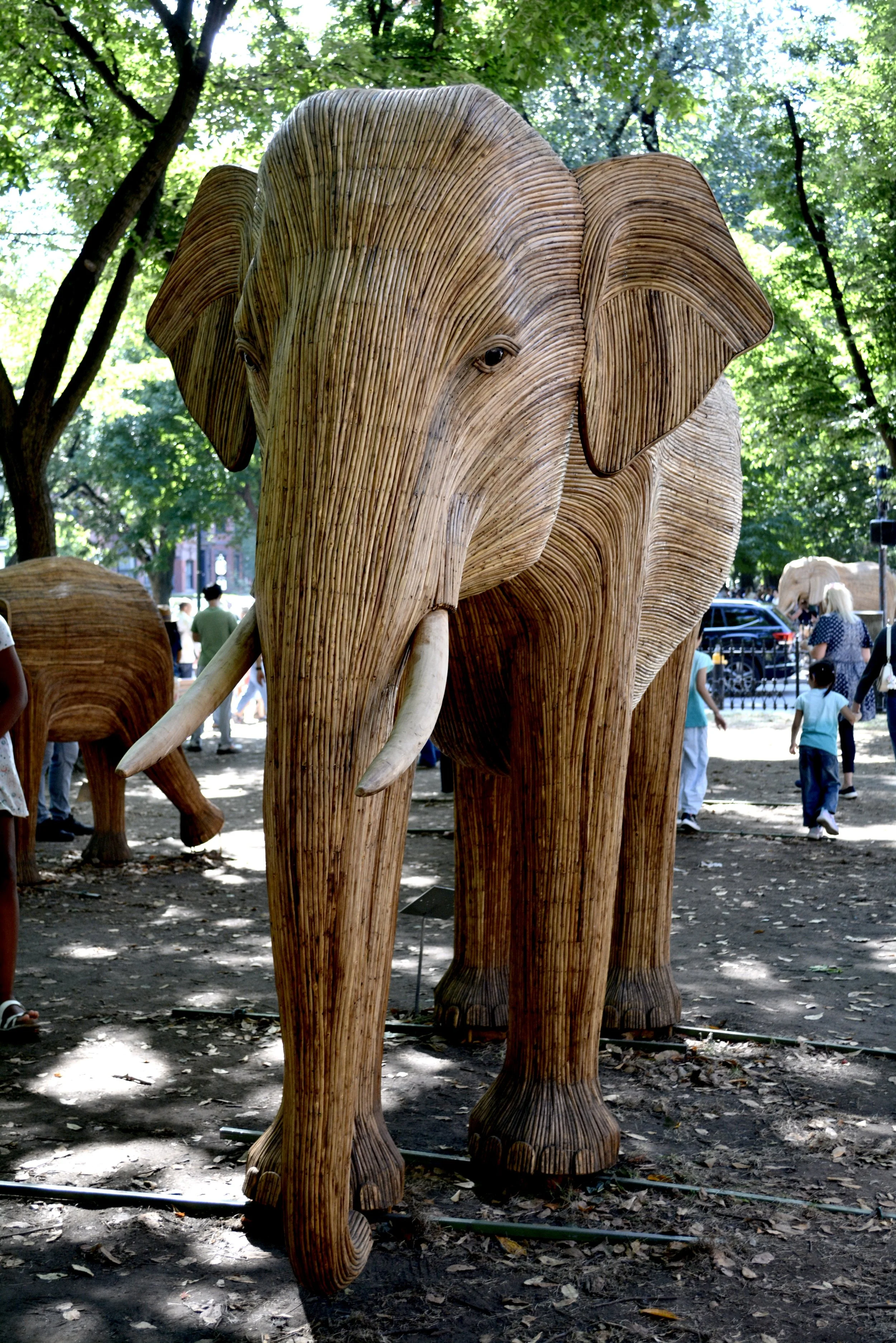
I had been waiting for the elephants like a child waits for Christmas morning. For as long as I can remember, elephants have held something almost sacred for me. Their strength. Their gentleness. Their loyalty to one another. The way they seem to carry both enormous power and extraordinary peace in the same body. So when I learned that 100 elephants were coming to Boston, I knew I had to see them. Nothing quite prepared me for what it would feel like to walk among them.
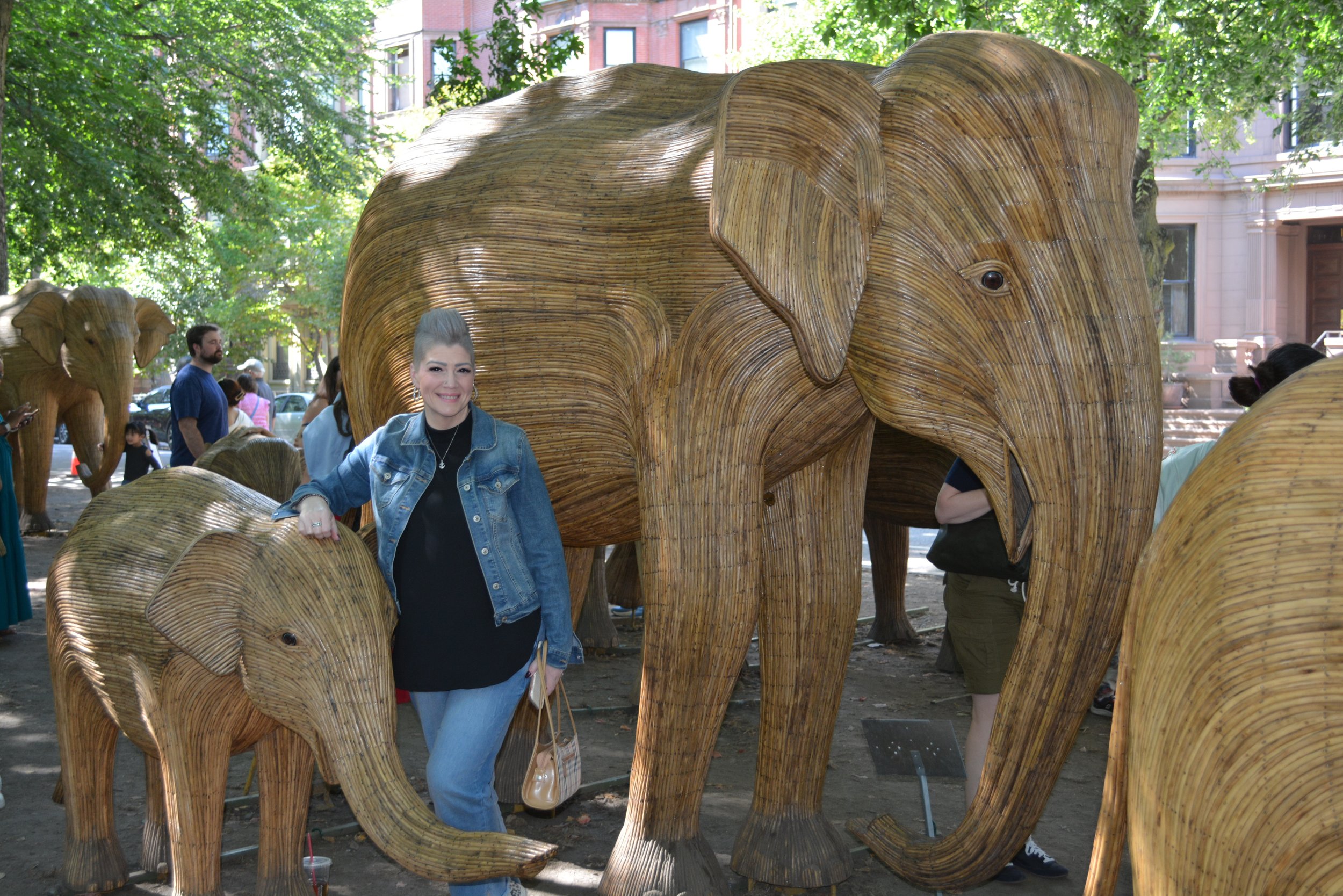
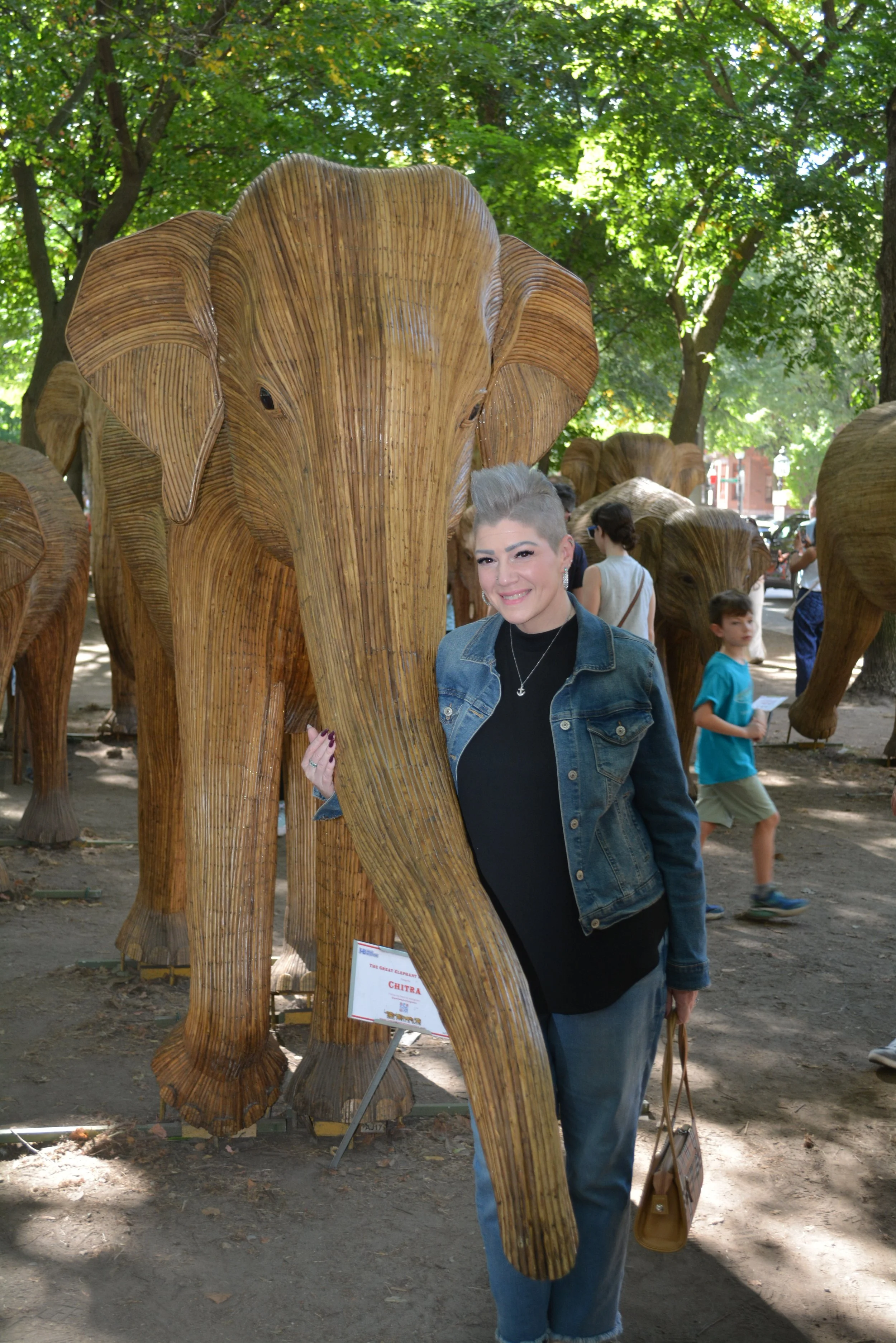
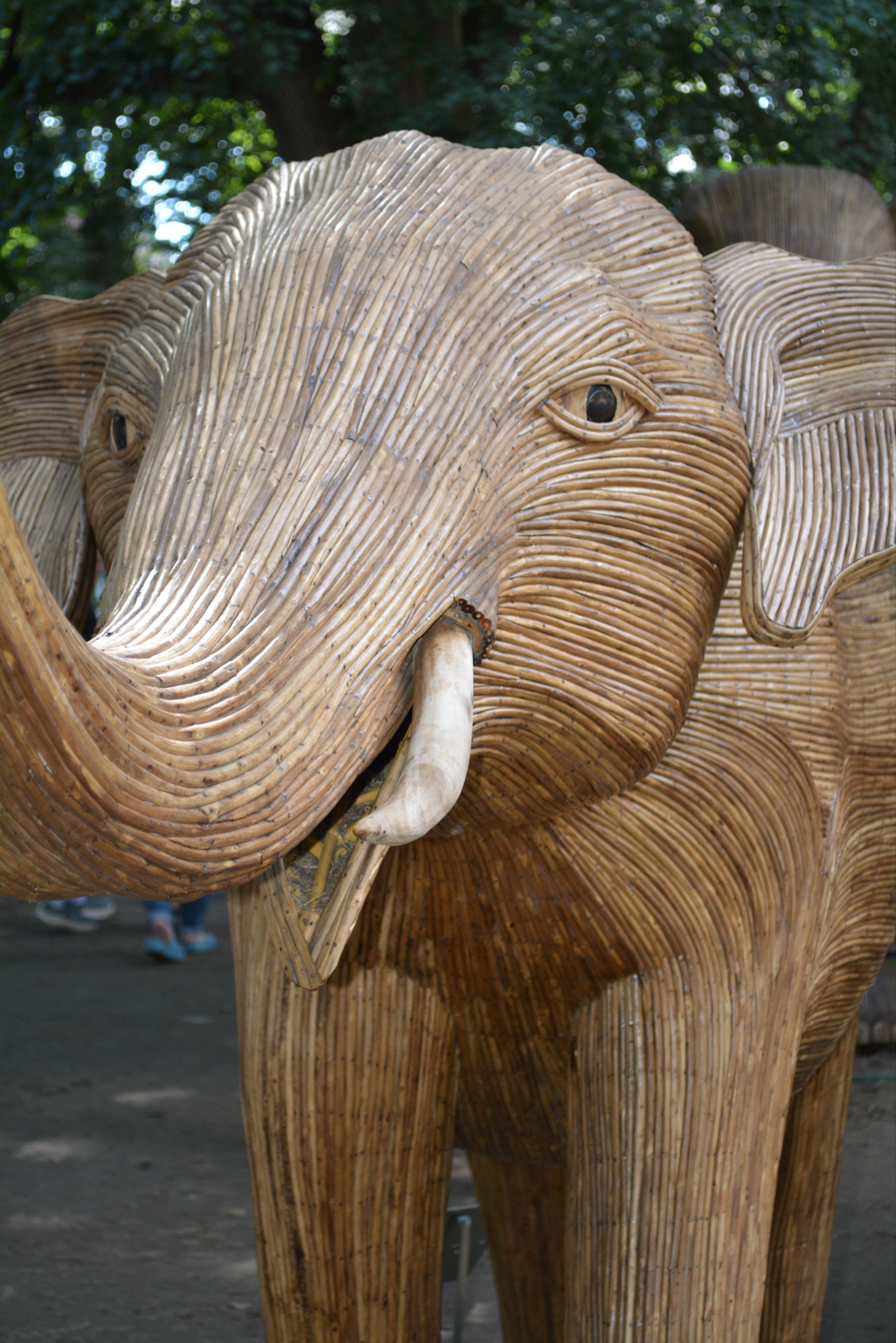
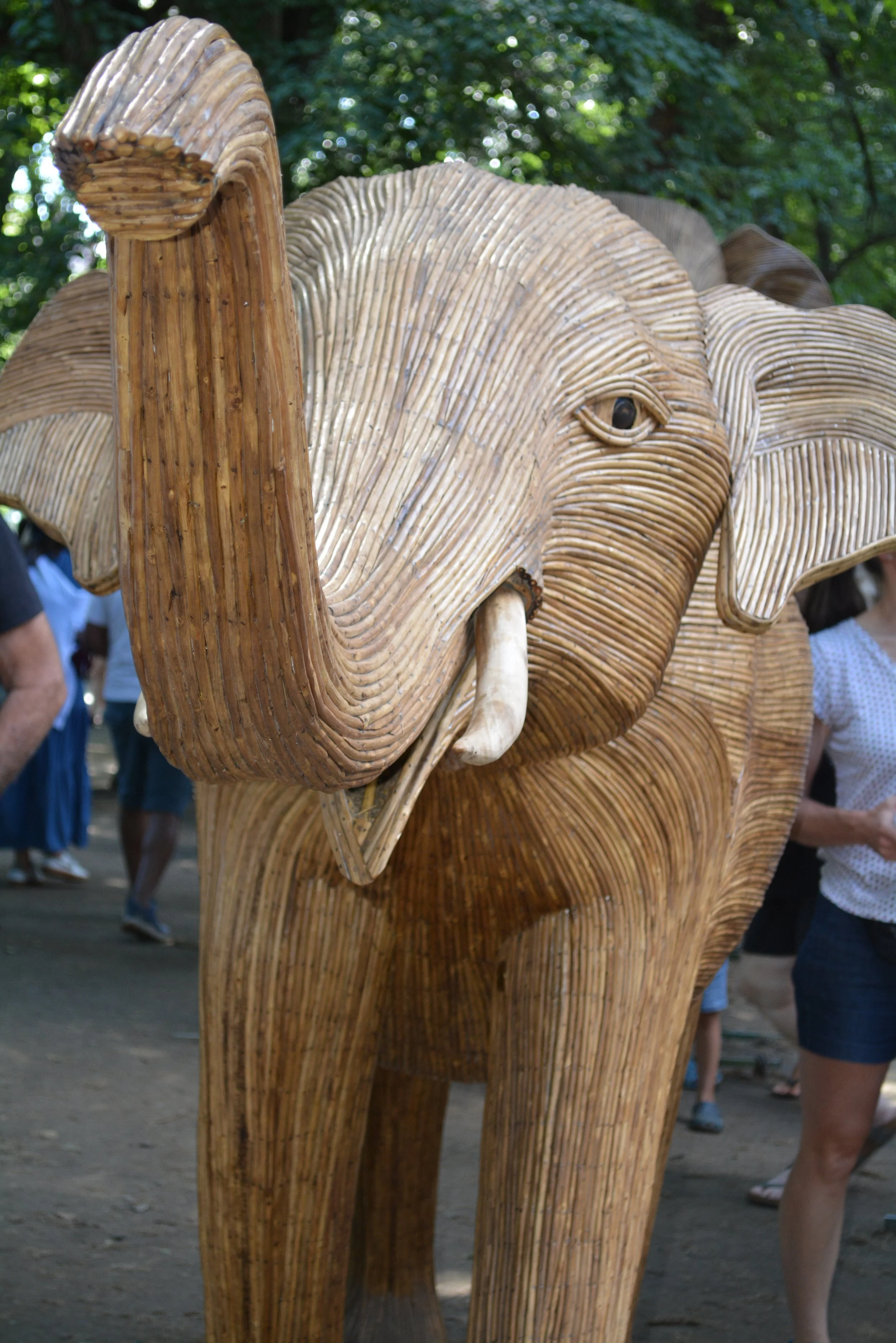
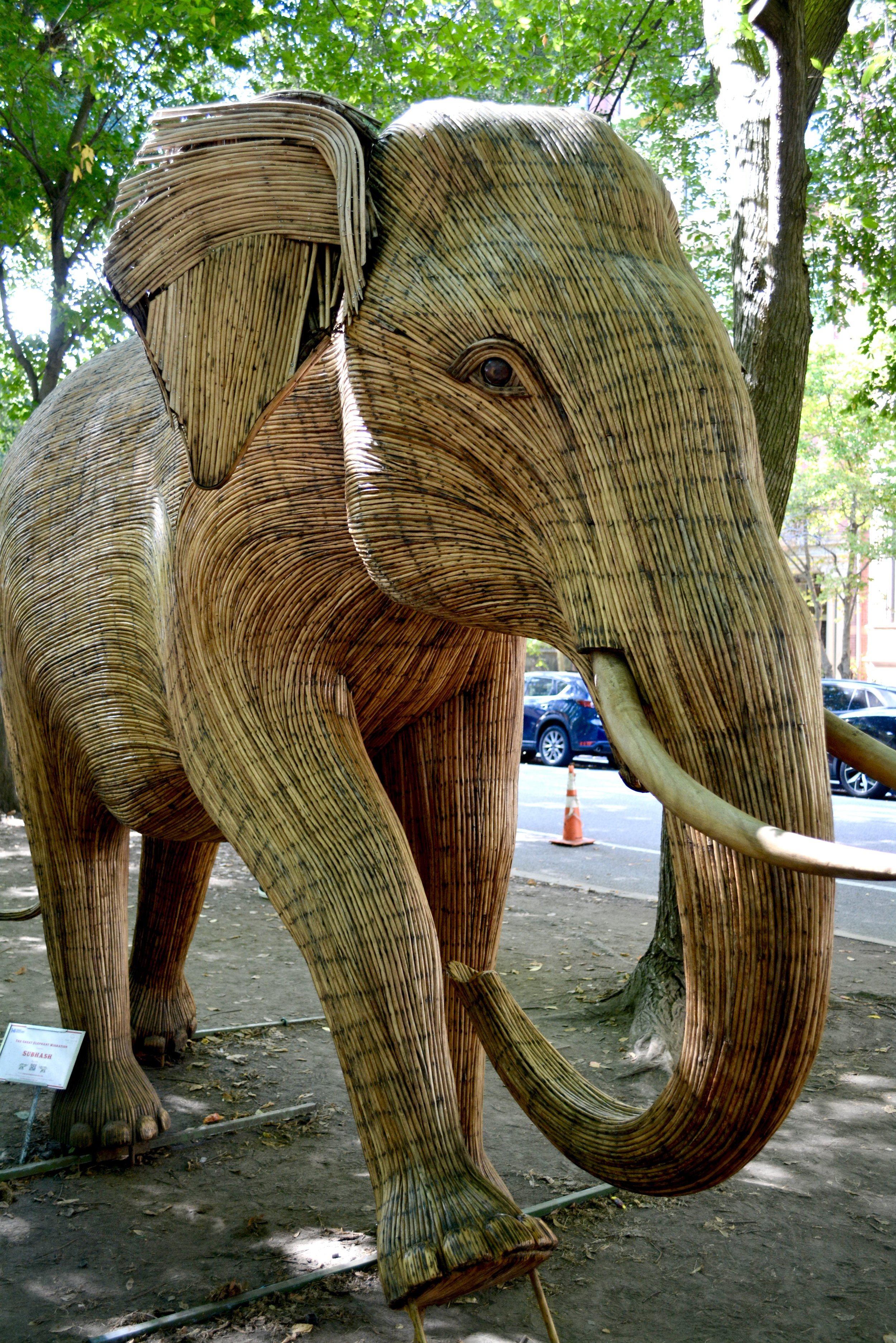
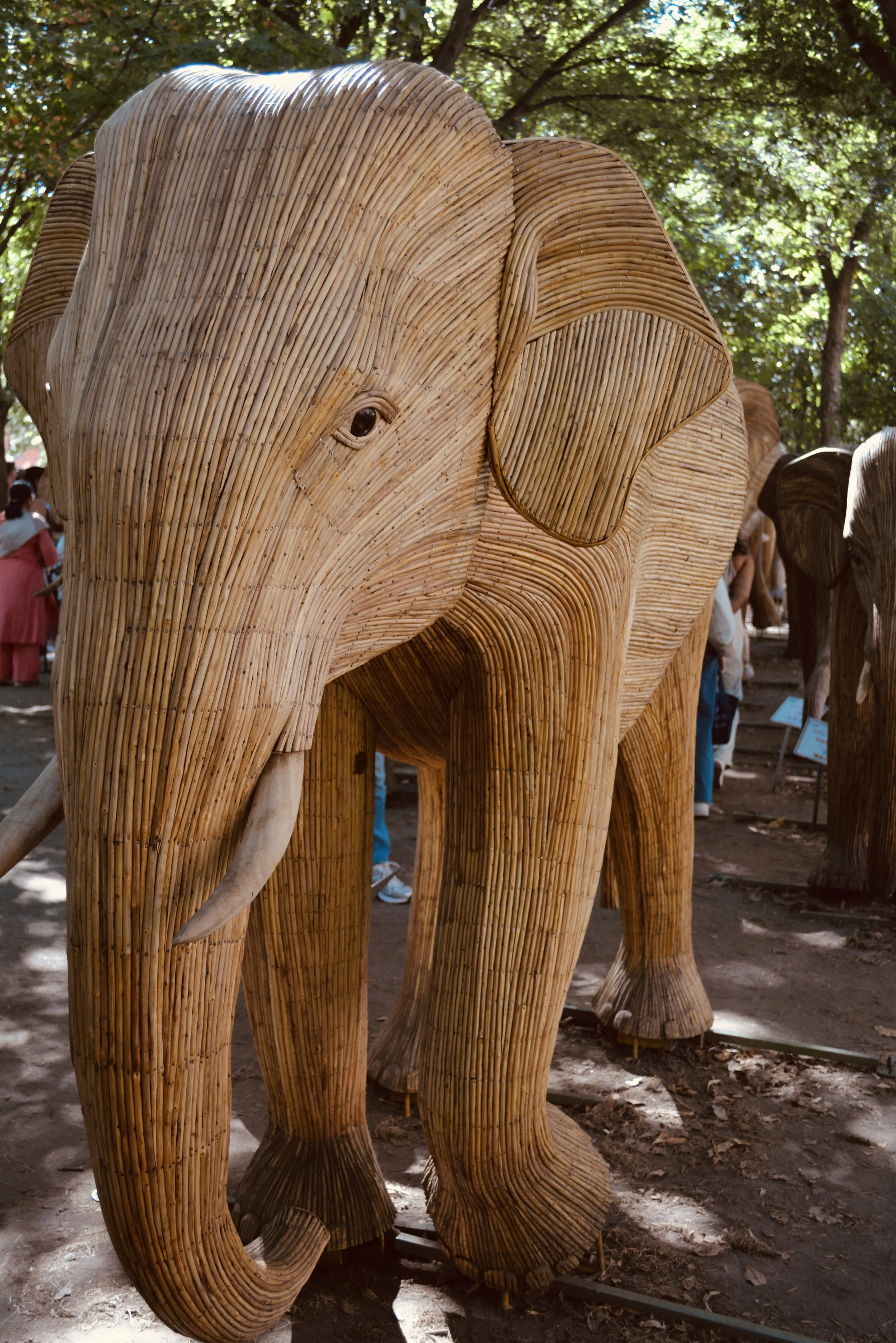
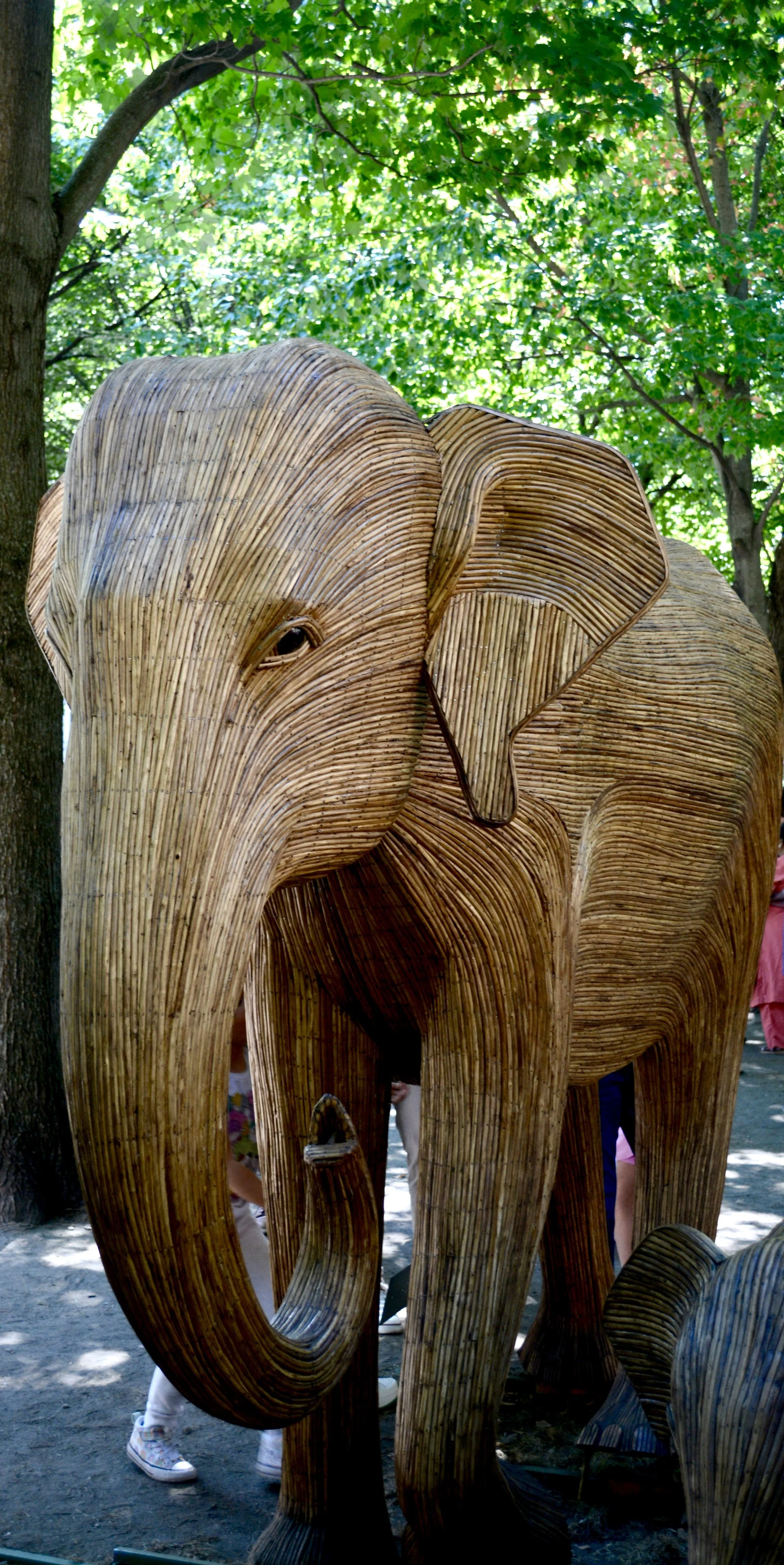
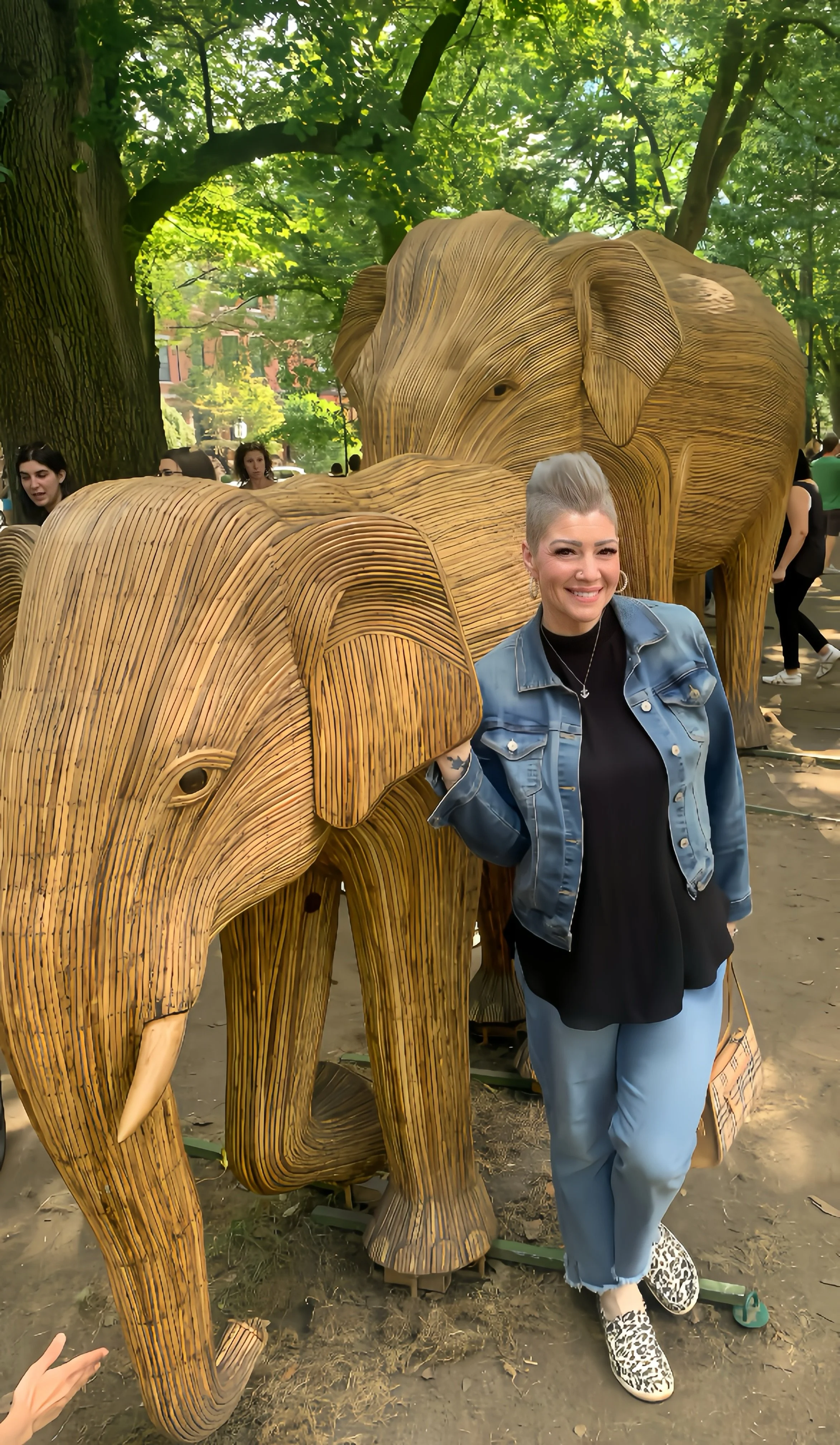
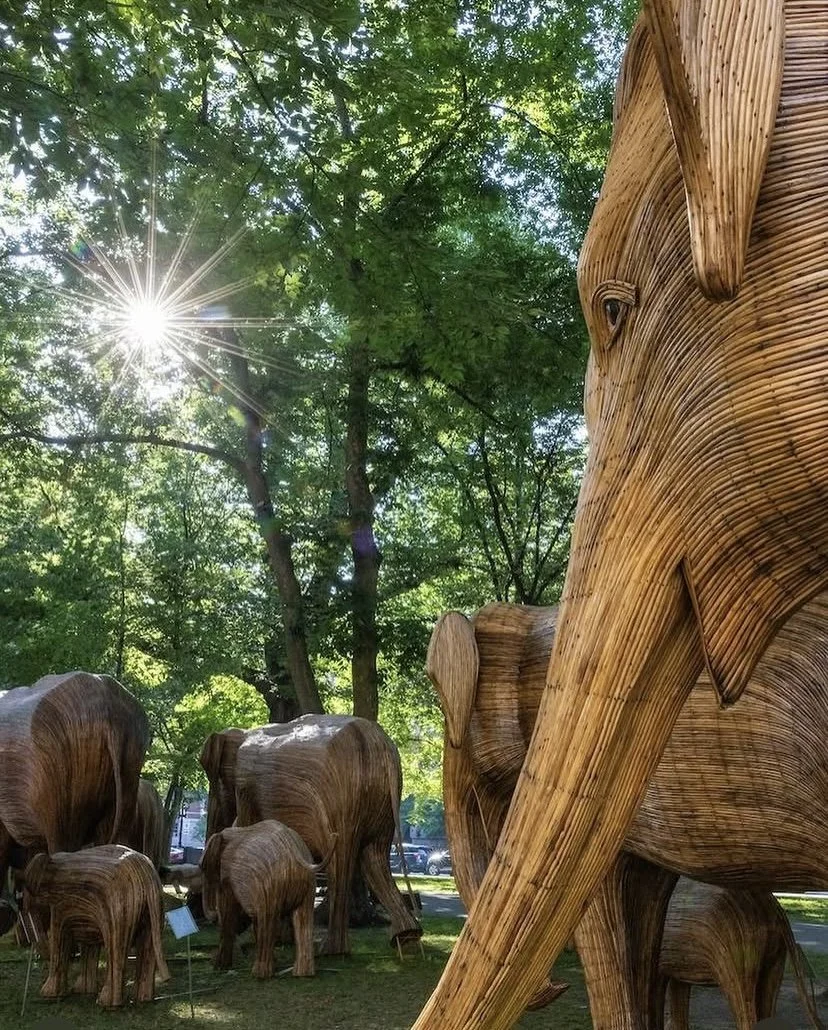
Spread beneath the trees of Boston’s Commonwealth Avenue Mall, the herd seemed almost impossibly at home amid the city. Cars passed nearby. People walked dogs, pushed strollers and stopped to take photographs. Yet somehow, surrounded by these enormous sculptures, the noise of everything else seemed to soften.
It was magical. But more than that, it was therapeutic.
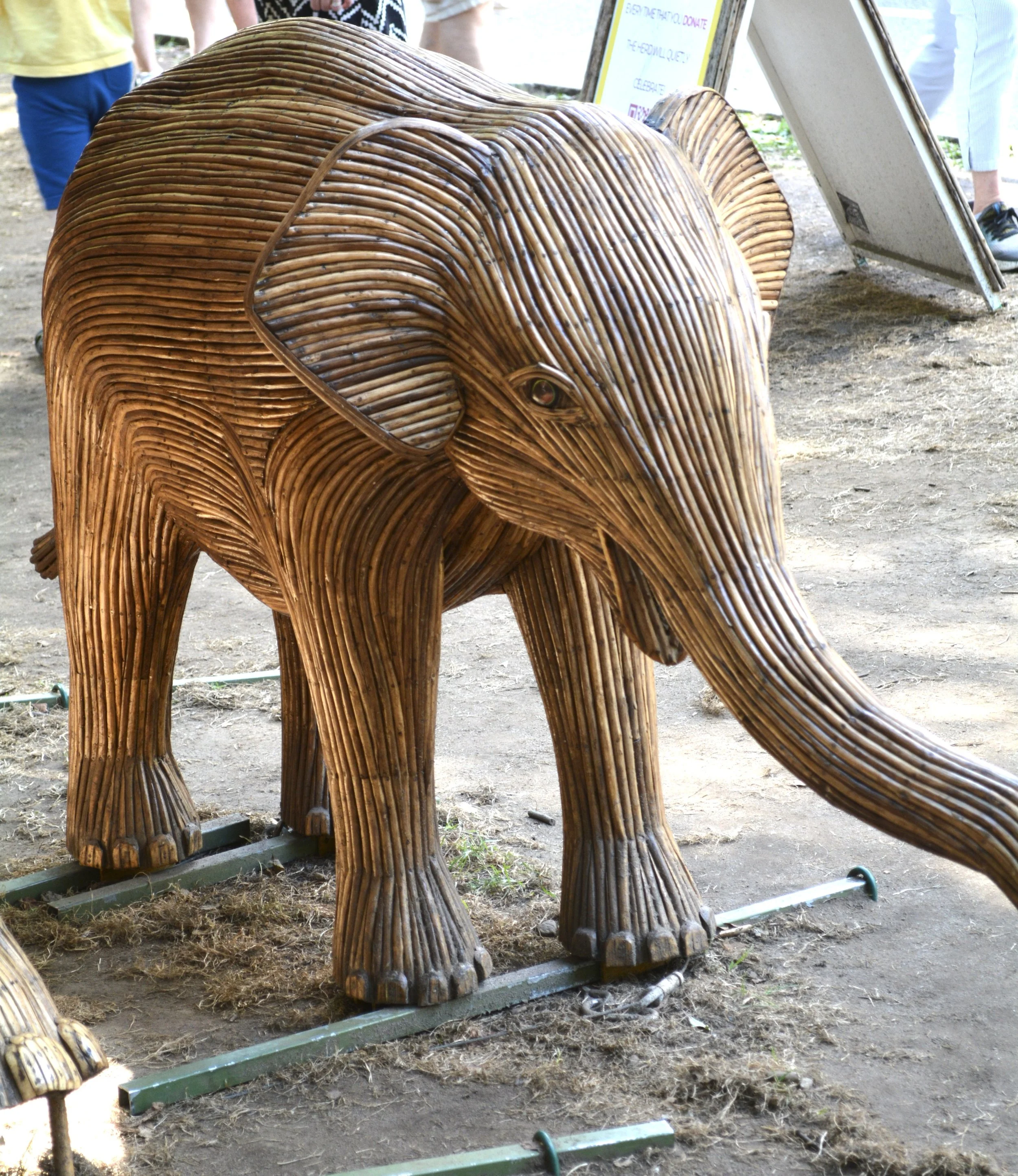
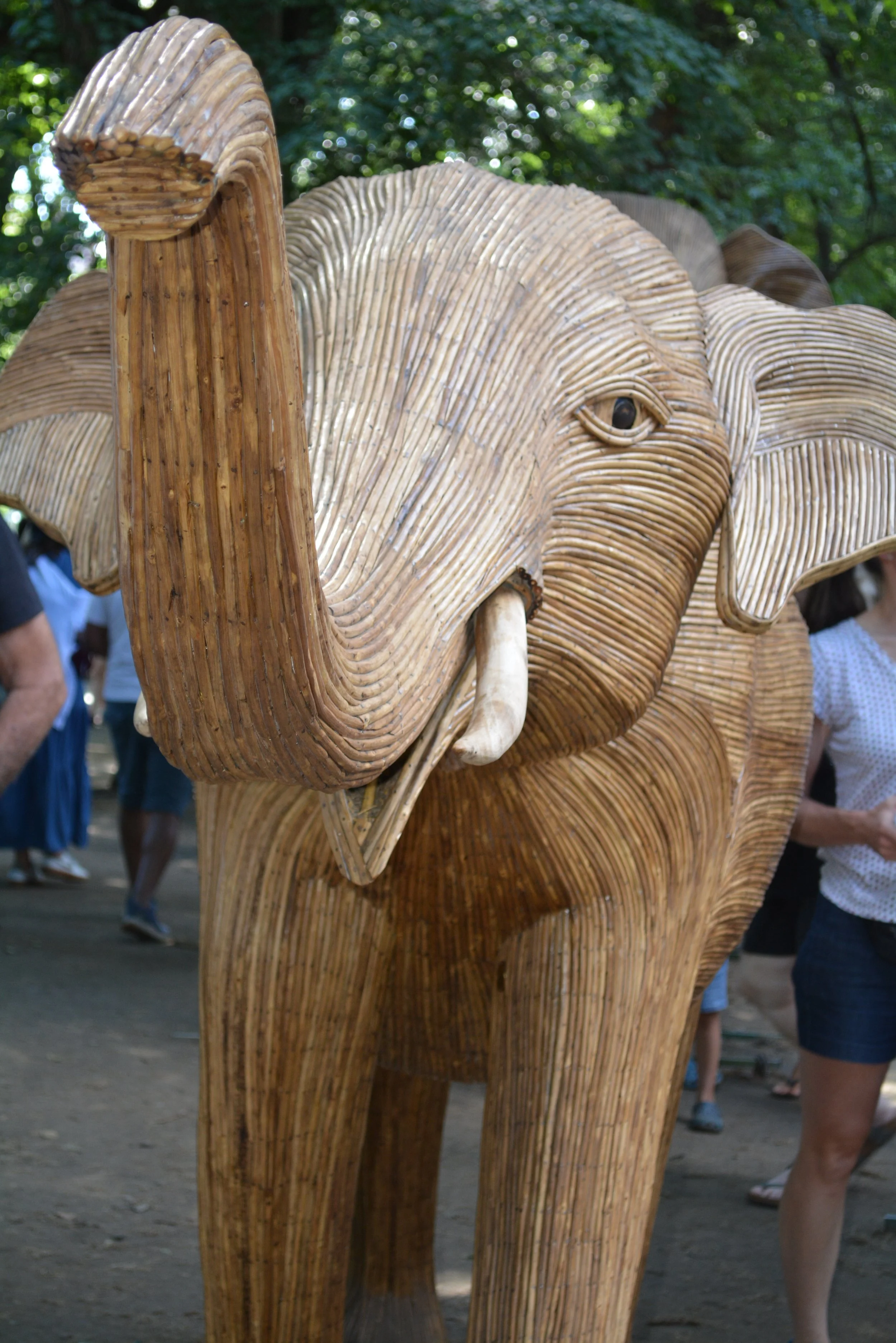
As I wandered through the herd with my camera, stopping to study their faces and the smallest details of their bodies, I felt something unexpectedly familiar. I felt at home. Perhaps that is part of what has always drawn me to elephants.
Elephants live in deeply connected communities. Their family groups are matriarchal, often guided by an older, experienced female whose knowledge helps protect and lead the herd. Mothers, sisters, daughters and babies move through life together. (The Great Elephant Migration)
There is strength in that kind of connection. There is also something deeply moving about an animal so physically powerful being associated with gentleness, memory and peace. And standing among this particular herd, those qualities carried an even deeper meaning.
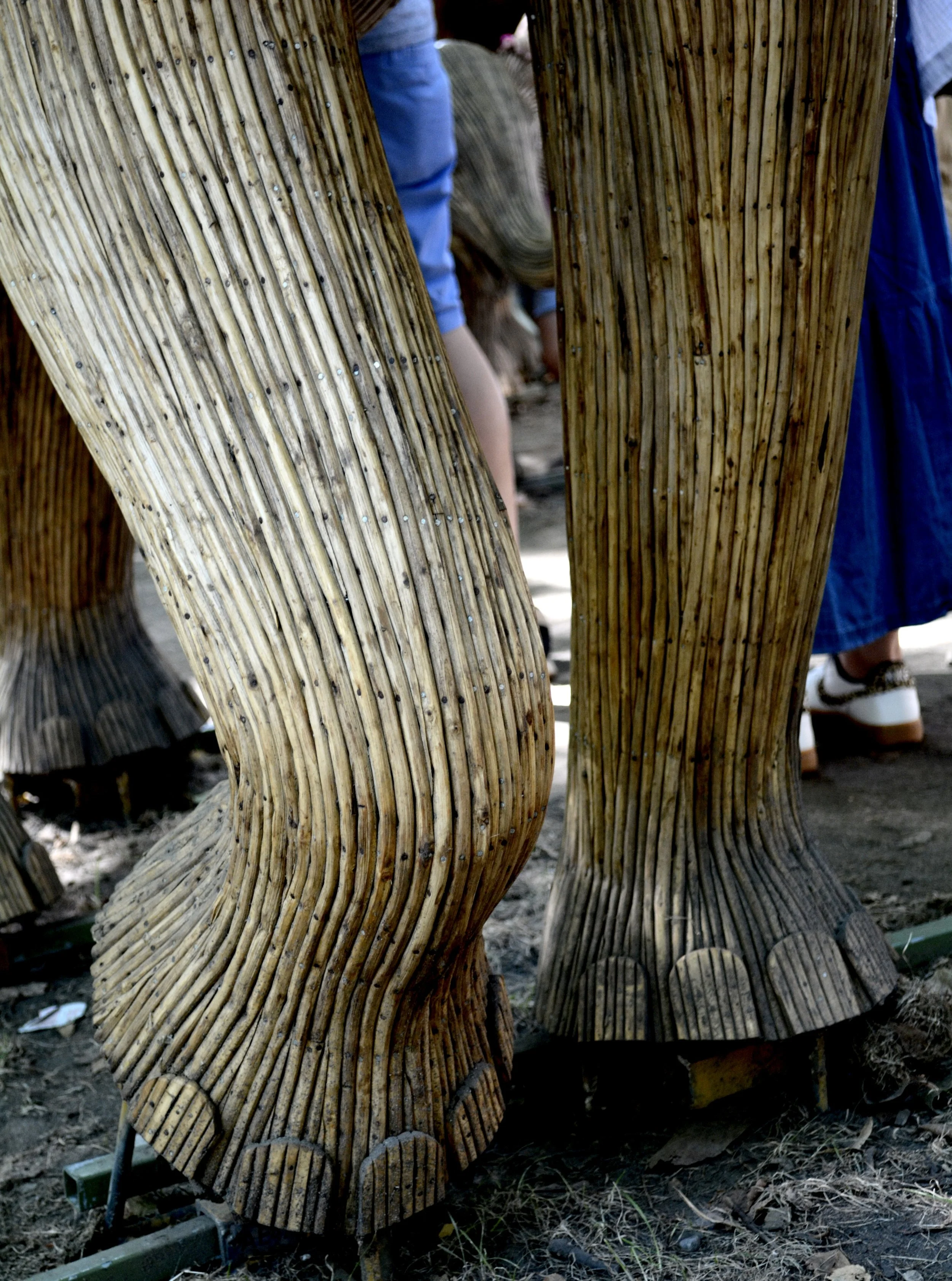
The 100 elephants are part of The Great Elephant Migration, a traveling public-art and conservation project created to encourage humans to reconsider the way we share the planet with wildlife. Each sculpture represents a real elephant living in the Nilgiri Hills of southern India, where people and elephants have learned to coexist across forests, farms, villages and towns. The sculptures themselves are handcrafted by Indigenous artisans from communities that have lived alongside these elephants for generations. (The Great Elephant Migration)
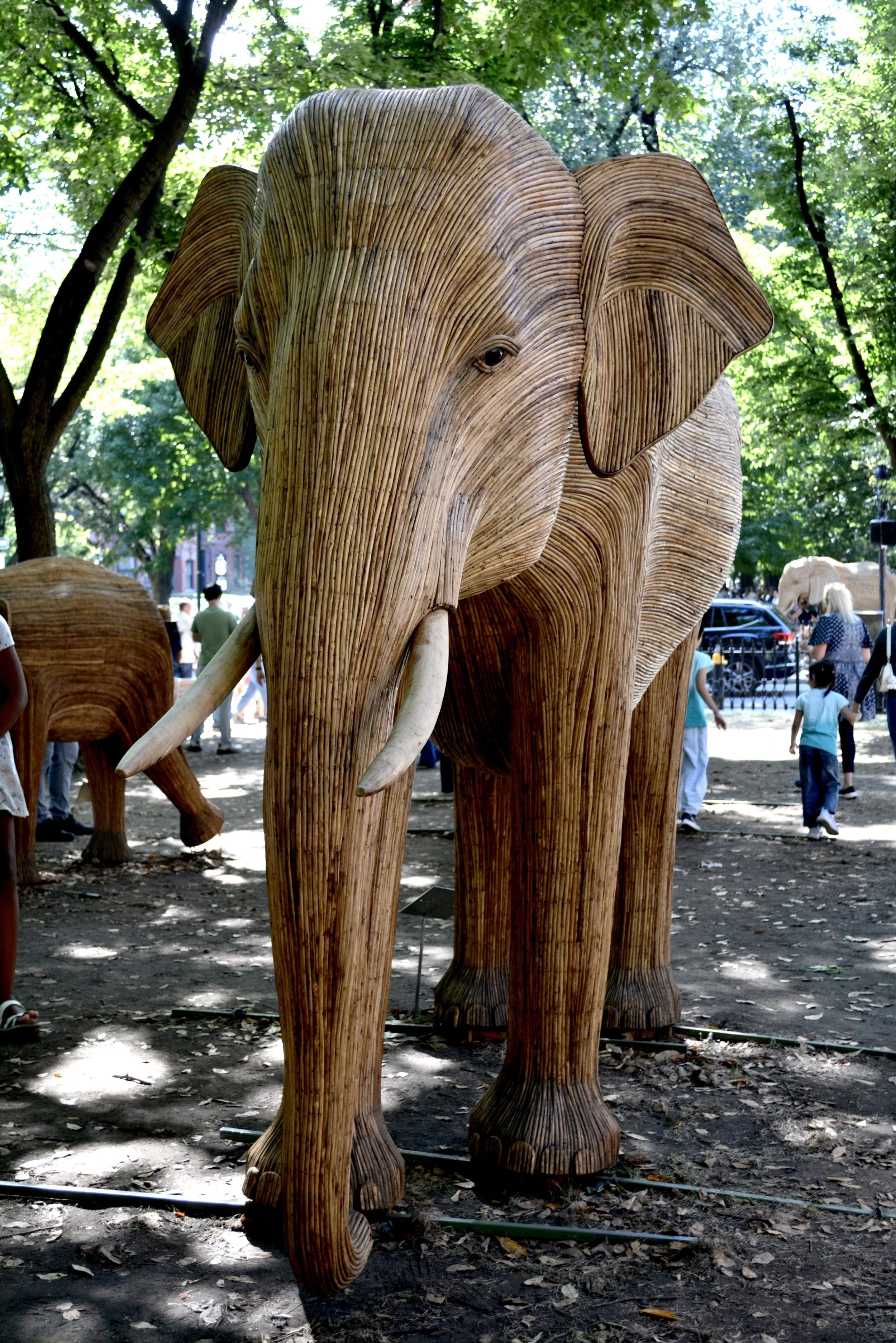
Suddenly, they were not simply beautiful pieces of art.
They were individuals.
They had stories.
And perhaps that was the most powerful part of the experience for me.
We so often speak about nature as though we are somehow separate from it — as though humans live here and wildlife lives somewhere else. But elephants do not understand the borders we draw. Neither do birds migrating overhead, whales crossing oceans or animals following routes their ancestors traveled long before our roads and cities existed.
The Great Elephant Migration asks us to consider something both simple and enormous: Can we make room for one another?
The project raises money for human-wildlife coexistence initiatives around the world, supporting communities and conservation strategies designed to help animals and humans safely share increasingly crowded landscapes. Since 2024, the organization says it has awarded $1.4 million to coexistence projects internationally. (The Great Elephant Migration)
But walking among the elephants, I found myself thinking about coexistence in an even broader way.
About community.
About resilience.
About the importance of knowing when to lead and when to follow.
About how much we depend on one another, whether we acknowledge it or not.
Elephants journey through landscapes leaving enormous footprints behind them.
We do too.
Ours may not always be visible in the earth, but they exist in the lives we touch, the places we inhabit and the choices we make about what — and whom — deserves protecting. Maybe that is why walking among this herd affected me as deeply as it did.
I went to Boston because I love elephants. I expected to photograph them. I expected to admire them. I expected to feel that familiar sense of wonder I have always felt around anything connected to these magnificent animals. I didn’t expect them to make me think about my own journey. About the people who have walked beside me. About the strength required to keep moving. And about the kind of footprints I want to leave behind.
For one afternoon beneath the trees in Boston, 100 elephants reminded me that strength does not have to be loud. Sometimes it looks like endurance. Sometimes it looks like community. Sometimes it looks like making space for another living being to exist beside you. And sometimes it is simply continuing to walk forward — together.
All my Best, Fabulous Friends,
Fab xoxo